Person
Jiddu Krishnamurti
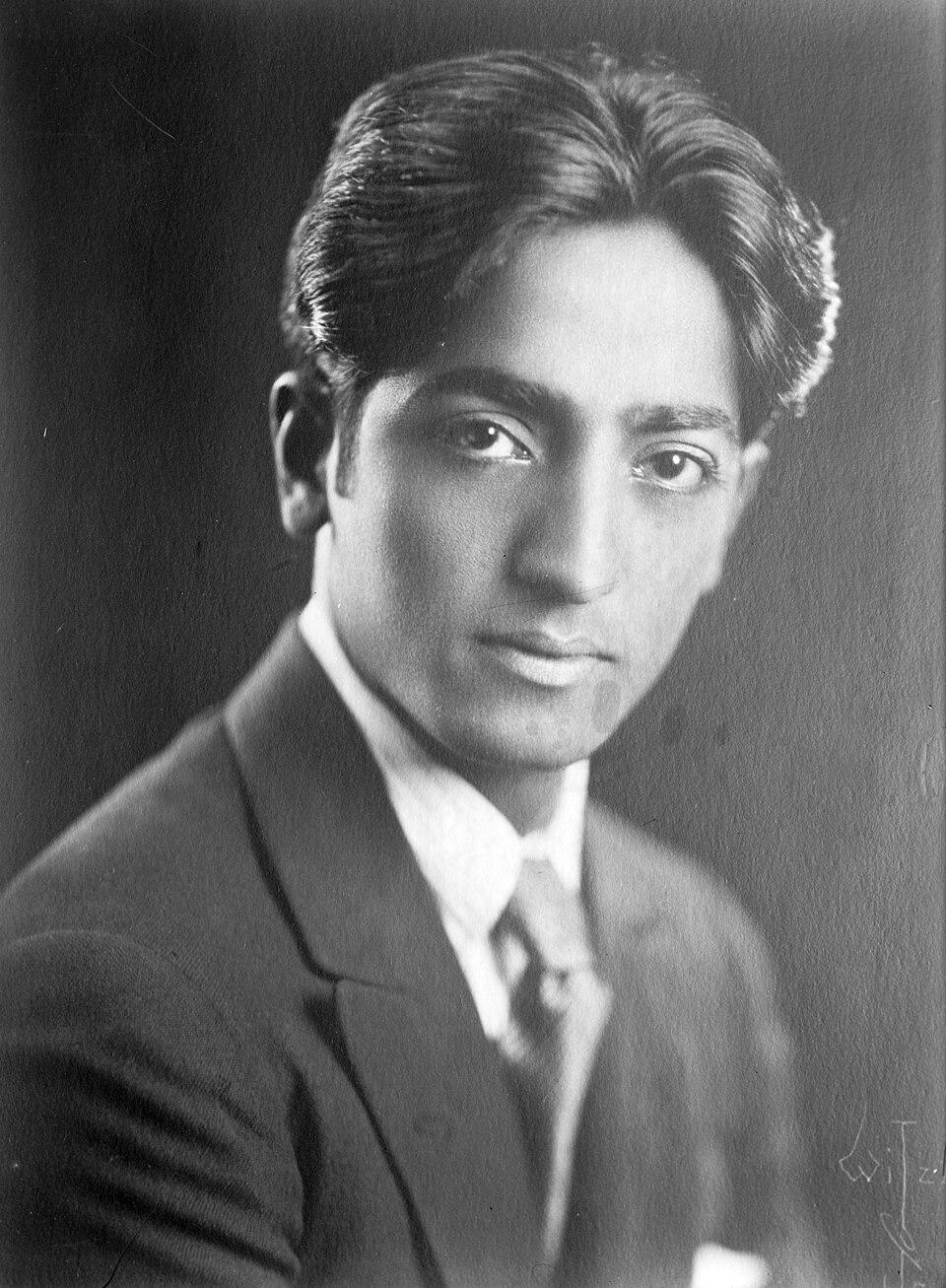
Jiddu Krishnamurti was an Indian-born speaker and writer who asked whether a mind shaped by memory, fear, comparison, and authority can see anything without filtering it through the past. For him, identity is not merely a story we possess. It is an active movement of thought that keeps remaking the person who says “I.”
Notice what happens when anger is observed. The observer may seem to stand apart from the anger, calmly looking at it. Krishnamurti asks whether that observer is itself made from remembered judgments, images, and previous experience. If so, observer and observed belong to one movement of thought. The division inside the mind may be part of the conditioning, not the way out of it.
This is why he resisted turning transformation into a method delivered by an authority. A system can give thought another ideal to imitate and another identity to defend. His emphasis is direct observation of conditioning as it operates now. That gives his work a distinct place beside Buddhist training, Ramana’s Advaita self-inquiry, and Jung’s structured psychology: each examines inherited identity, while Krishnamurti refuses to settle the inquiry through lineage, metaphysical Self, or an interpretive map of the psyche.
Words used here
Plain meanings for words on this page.
identification
The habit of treating thoughts, roles, memories, emotions, or social labels as what you essentially are.
observer
A way of speaking about the part of experience that can notice thoughts and feelings. Traditions disagree about whether this observer is ultimately a separate self, a temporary function, or something deeper.
Featured connections
Where Jiddu Krishnamurti meets other voices
Jiddu KrishnamurtiIdentification
shared concept
Living inside an image of yourself
Krishnamurti traces identification through memory, comparison, and the images people form of themselves. Thought builds a picture of “me,” then meets life through that picture as though it were the whole person.
Jiddu KrishnamurtiCarl Jung
contrast
Two ways of looking beyond social identity
Both treat socially inherited identity as something to examine rather than accept as the whole person.
Carl Jung and J. Krishnamurti both question whether inherited roles and social images tell us who we are. Jung interprets inner life through a structured psychology of ego, Self, dream, and symbol. Krishnamurti presses for direct observation and warns that psychological systems can become another form of conditioning.
Where they differ
Jung gives the psyche an interpretive structure and seeks integration within it. Krishnamurti distrusts such structures when they become authorities standing between a person and direct observation.
Continue from here
Open a related page.
Carl Jung
Person
Observer
Idea
Thought
Idea
Meditation
Idea
Sources
What this reading rests on
Freedom from the Known
original work
Primary presentation of Krishnamurti’s account of conditioning, self-image, the observer, and freedom from the authority of accumulated psychological knowledge.