Person
Carl Jung
Read through
Optional. Marks sentences on this page only — it never rewrites the reading.
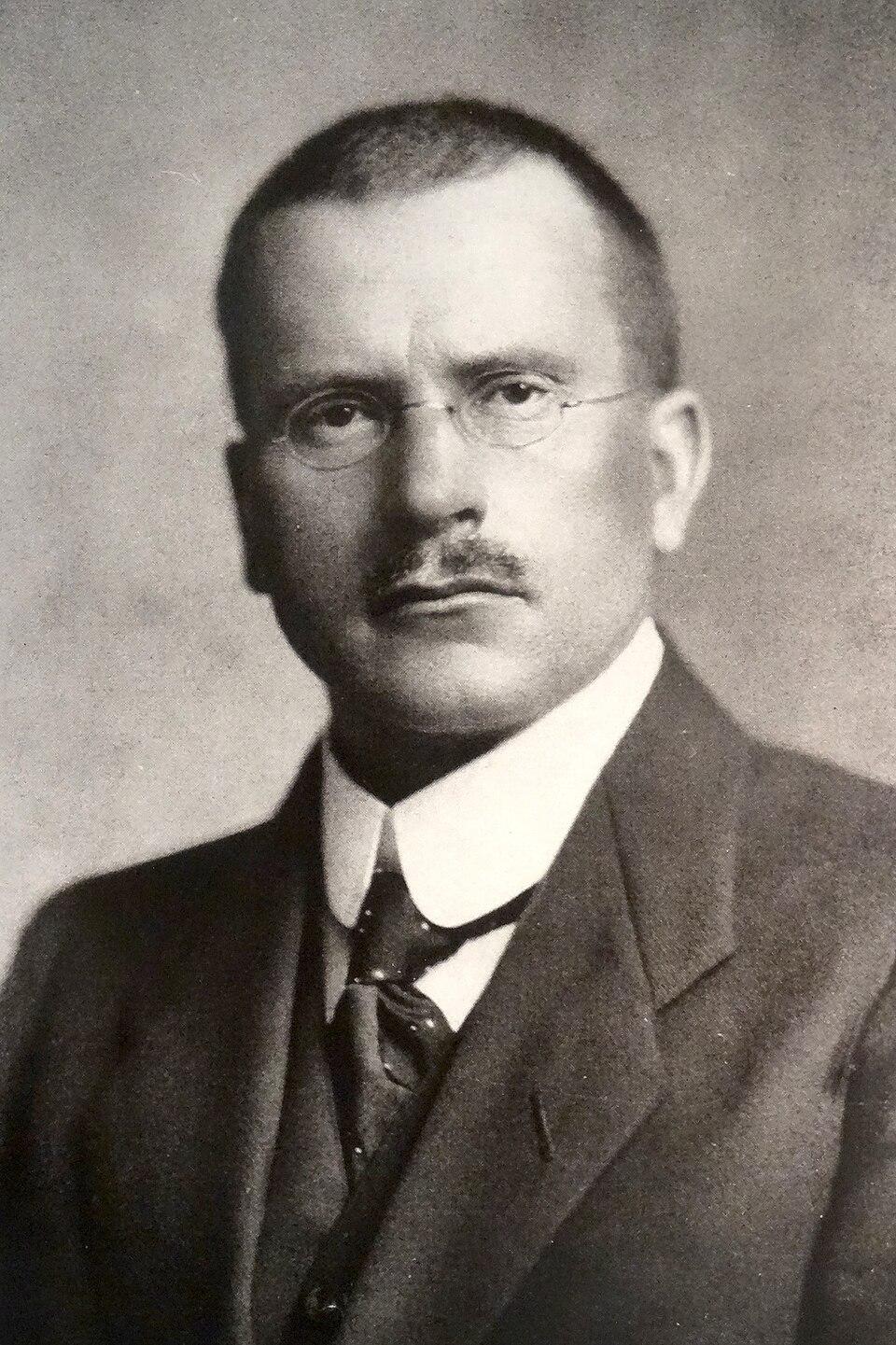
Carl Gustav Jung (1875–1961) was a Swiss psychiatrist who founded analytical psychology after breaking with his mentor Sigmund Freud. He treated dreams, symbols, and unconscious life as clues to a larger question: how does a person become whole when the familiar “I” is only one part of the psyche?
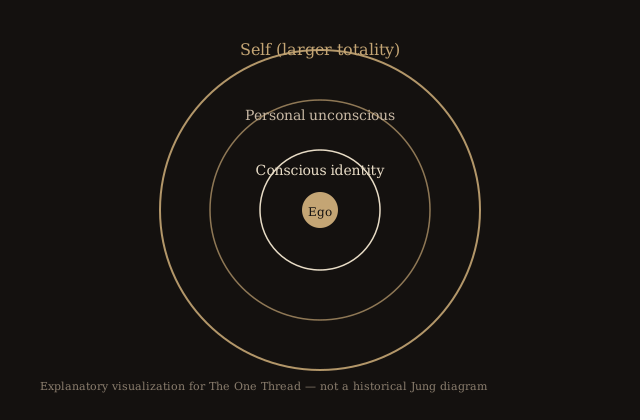
Jung called the familiar conscious center of identity the ego. It gives everyday life continuity and direction, but it does not contain the whole psyche. His capital-S Self names the larger organizing totality in which conscious and unconscious life belong together.
Wholeness, for Jung, does not require personality to disappear. It develops through relationship with dreams, symbols, and parts of experience the ego has excluded or split off. Jung also proposed a collective unconscious: shared psychic patterns expressed through archetypes. His language remains psychological even when it is placed beside religious or metaphysical ideas.
Words used here
Plain meanings for words on this page.
analytical psychology
The psychological tradition developed by Carl Jung, focused on symbols, dreams, the unconscious, and the process of becoming a more whole person.
Self (Jung)
Carl Jung used the Self for the organizing totality of the psyche, larger than the everyday ego and associated with psychological wholeness.
ego
In ordinary speech, the ego is the familiar sense of “me” as a separate person with a story, preferences, and defenses. Different traditions use the word differently, so context matters.
A little deeper
In psychology, ego can mean a necessary organizing function of the personality. In some spiritual language, ego means the contracted identity that mistakes itself for the whole of who you are. Context decides which job the word is doing.
Featured connections
Where Carl Jung meets other voices
Carl JungDavid Bohm
parallel
Pattern behind psyche, order behind matter
In each proposal, the isolated part displays only some of the pattern to which it belongs.
This comparison turns on what the foreground leaves unexplained. Jung looks for recurring forms beneath individual psychic life; Bohm asks whether visible physical fragments unfold from a deeper order.
Where they differ
Archetypes are psychological forms; implicate order is a physicist’s interpretation of physical wholeness, not a shared quantum-psychological mechanism.
Carl JungJiddu Krishnamurti
contrast
Two ways of looking beyond social identity
Both treat socially inherited identity as something to examine rather than accept as the whole person.
Carl Jung and J. Krishnamurti both question whether inherited roles and social images tell us who we are. Jung interprets inner life through a structured psychology of ego, Self, dream, and symbol. Krishnamurti presses for direct observation and warns that psychological systems can become another form of conditioning.
Where they differ
Jung gives the psyche an interpretive structure and seeks integration within it. Krishnamurti distrusts such structures when they become authorities standing between a person and direct observation.
Carl JungRamana Maharshi
similar language
Beyond the everyday ego
Each places the familiar “I” within a larger account—Jung within the whole psyche, Ramana within a non-dual inquiry into Self and ultimate reality.
Jung and Advaita both challenge the assumption that the everyday ego is the whole of who we are. Jung’s Self names psychological wholeness; Advaita’s Self names ultimate reality, understood as not separate from Brahman. The shared word makes the comparison vivid, but it does not make the claims identical.
Where they differ
Jung is describing the wholeness of the psyche. Advaita makes a metaphysical claim that the deepest Self and ultimate reality are not fundamentally separate.
Carl JungJesus of Nazareth
possible connection
Beyond the self-enclosed life
Jung’s psychology asks the ego to enter relationship with a larger psyche. Teachings attributed to Jesus ask a person to move beyond status, possession, and self-protection toward God, neighbor, and even enemy. The thematic meeting point is a life no longer organized around the everyday “me.”
Where they differ
Jung’s frame is psychological wholeness through integration. Jesus’ teaching belongs to a first-century Jewish religious and ethical frame, later interpreted through Christian claims about Christ. Neither frame settles the other.
Continue from here
Open a related page.
Jesus of Nazareth
Person
Self
Idea
Ego
Idea
Sources
What this reading rests on
The Archetypes and the Collective Unconscious
original work
Primary Jungian source for Self, archetype and collective unconscious language.