Teaching
Al-Ikhlas
Four verses of concentrated tawhid
God is One. God is al-Samad—a dense Arabic term often rendered “the Self-Sufficient” or “the one on whom all depend.” God neither begets nor is begotten, and nothing is comparable to God. Al-Ikhlas—“Sincerity” or “Purity”—places this concentrated confession of tawhid, the Islamic teaching of God’s oneness, into four short verses of the Qur’an.
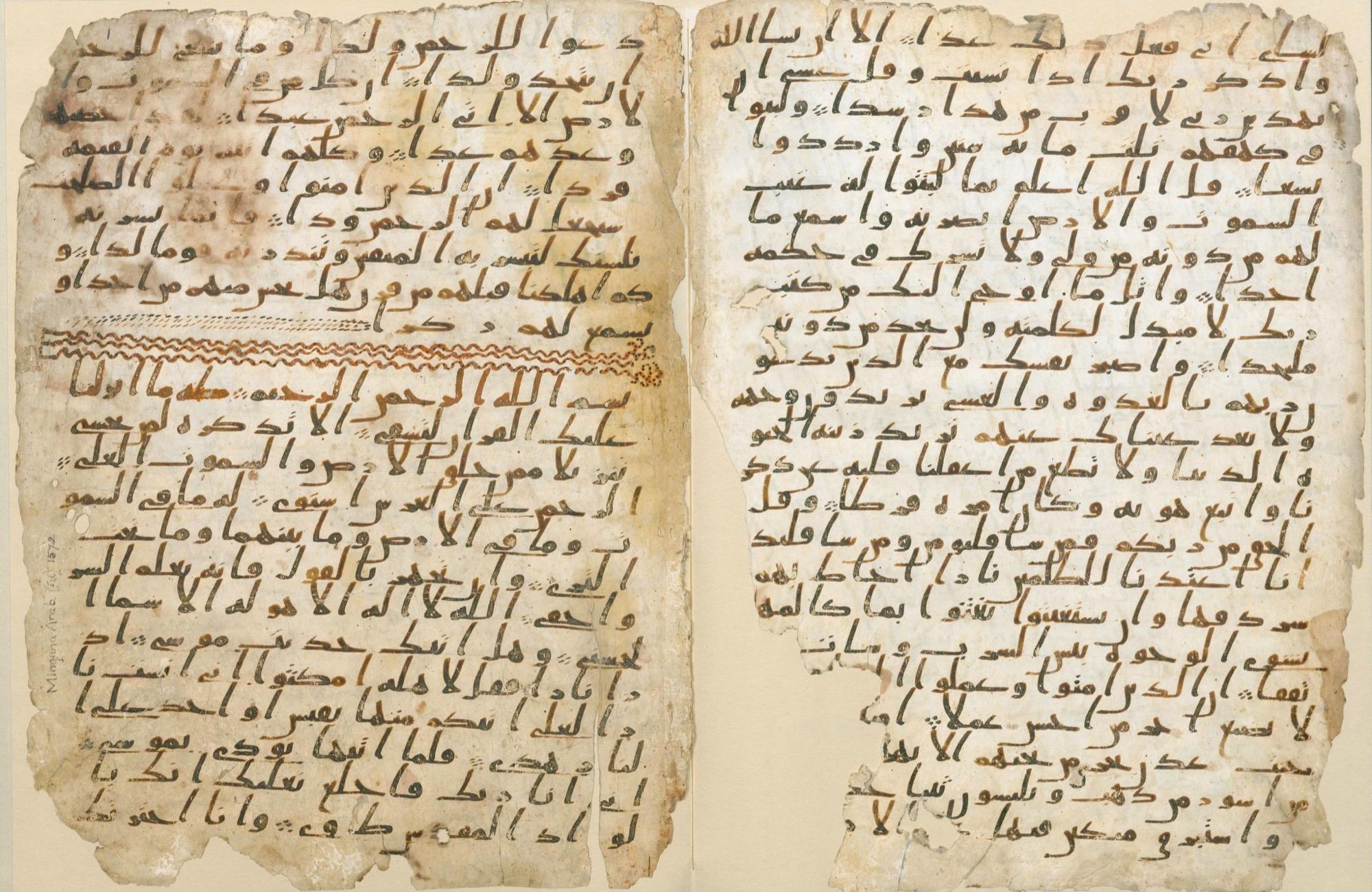
Only four verses long and widely memorized, Al-Ikhlas may also be recited in Muslim prayer. Its compact wording gathers the central claims of tawhid: God is one, God is al-Samad, God neither begets nor is begotten, and nothing is comparable to God.
Its refusal of divine begetting marks a clear difference from the Christian confession of Jesus as the divine Son. Both traditions affirm one God, but they make different claims about what that oneness means.
Words used here
Plain meanings for words on this page.
tawhid
The Islamic teaching of God’s oneness: God is one, without partner, child, or equal. Tawhid is not the same as saying the human self is identical with God, and it is not the Christian doctrine of the Trinity.
Allah
The Arabic word for God. Arabic-speaking Jews and Christians have long used the same word. In Islam it names the one God—not a tribal deity beside others, and not a human being.
Qur’an
The sacred scripture of Islam. In Muslim belief it is God’s speech revealed in Arabic through Muhammad—not Muhammad’s personal philosophy. Historians study how the text was recited, written, and compiled in the seventh century and after.
Featured connections
Where Al-Ikhlas meets other voices
Al-IkhlasMuhammad
historical relationship
Messenger and the teaching of oneness
Muhammad’s prophetic message and Al-Ikhlas share the same center: worship belongs to the one incomparable God.
Muslims receive Al-Ikhlas as part of the Qur’an revealed through Muhammad. In four verses it concentrates tawhid, the teaching that God is one, self-sufficient, without begetting or origin, and beyond comparison.
Where they differ
Muhammad is the human messenger in Islamic tradition; Al-Ikhlas is a chapter of the revelation he is believed to have received.
Al-IkhlasCouncil of Nicaea
contrast
Oneness guarded by opposing claims
Each gives a community concise language for affirming one God and excluding a rival account.
Two compact confessions guard divine oneness by drawing the boundary around begetting in opposite places.
Where they differ
Nicaea includes the Son’s eternal begetting within the one God; Al-Ikhlas excludes divine begetting.
Al-IkhlasGod
shared concept
God as one and incomparable
Like other God-centered traditions, the chapter directs worship toward what is ultimate and places human life in relation to a divine source.
Al-Ikhlas answers the question of God with unusual concentration: God is one, al-Samad—the one on whom all depend—neither begetting nor begotten, with nothing comparable to God.
Where they differ
Its answer is specifically Islamic tawhid, which excludes divine parentage and likeness; other traditions give personal, Trinitarian, devotional, or non-dual accounts of the divine.
Continue from here
Open a related page.
Muhammad
Person
God
Idea
Islam
Tradition
Jesus of Nazareth
Person
Sources
What this reading rests on
Qur’an 112 (Surah al-Ikhlas)
primary text
The chapter itself; translations vary, especially for al-Samad, while the four verses present God’s oneness, al-Samad, refusal of divine begetting, and incomparability.