Tradition
Hinduism
Hinduism is lived in temples and homes, carried in ritual and devotion, told through epics, and examined in schools of philosophy. These traditions grew on the Indian subcontinent over a long history. No single founder stands at their beginning, and no one creed gathers every Hindu into the same account of God, self, or liberation.
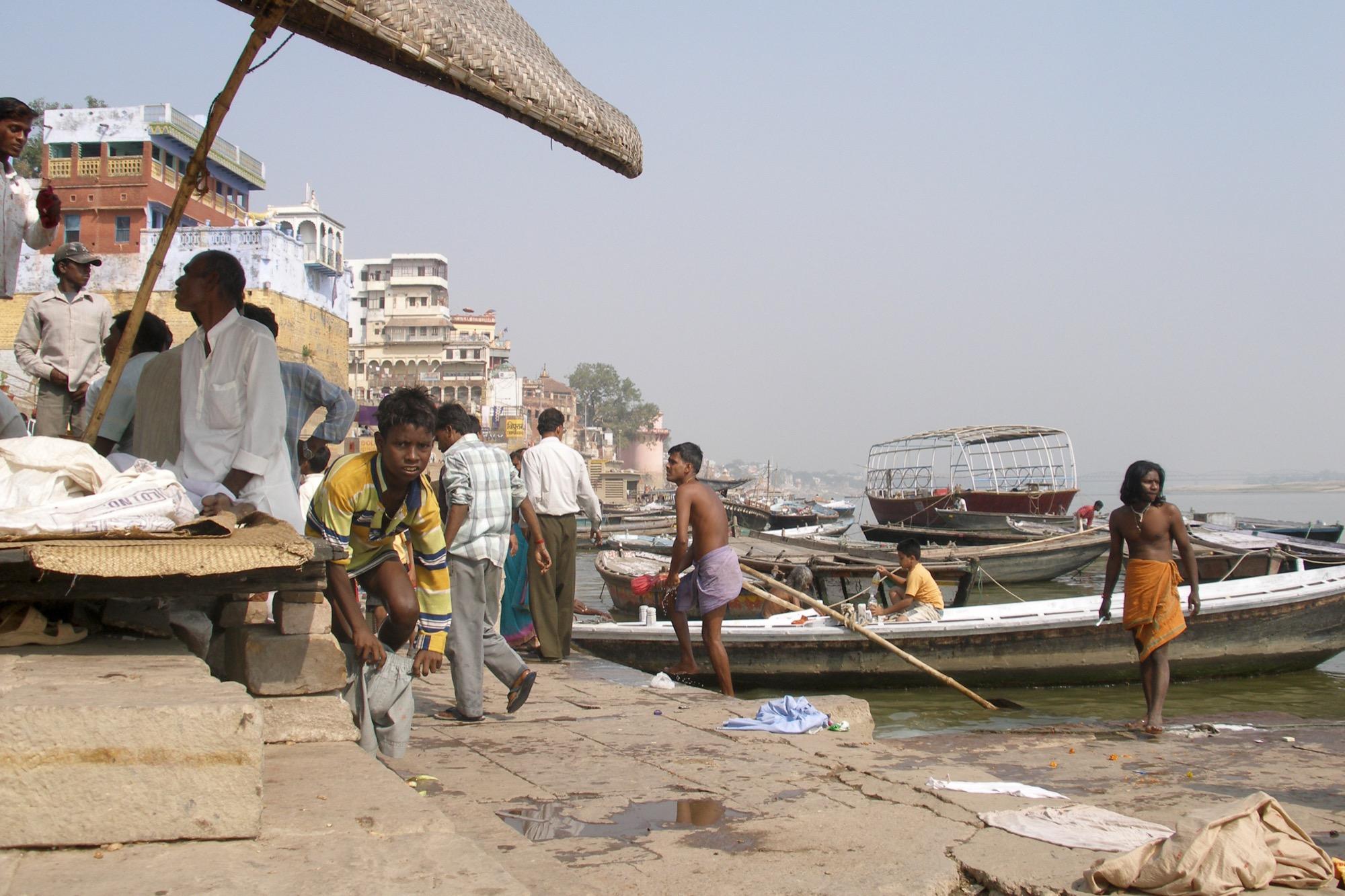
Across this breadth, certain questions and words keep returning because they shape how a life is lived. Dharma can mean the order that sustains life and the duty called for by a person’s place and circumstances. Karma names action and the consequences through which action shapes what follows; Hindu traditions differ over the roles of intention, ritual, duty, and rebirth. These actions unfold within samsara, the recurring cycle of birth and death described in Hindu traditions, while moksha names release from that cycle. The terms belong together as a movement from action and consequence toward freedom, but different communities and schools understand both the path and the freedom in different ways.
For some Hindus, that path is devotion to Vishnu, Shiva, the Goddess, or another divine form; for others, disciplined action, knowledge, or philosophical inquiry comes to the foreground. The Vedas and Upanishads, the Ramayana and Mahabharata, and later bhakti poetry have carried distinct voices through this long conversation. The Bhagavad Gita, set within the Mahabharata, brings duty, action, knowledge, and devotion into one charged dialogue. Advaita Vedanta offers an influential non-dual reading of the deepest Self and ultimate reality, called Brahman, but it remains one school within a much wider religious life. Hindu traditions repeatedly ask how to act, what a person most deeply is, how the divine may be approached, and whether freedom is possible within the cycle of death and rebirth; their answers do not resolve into a single doctrine.
Words used here
Plain meanings for words on this page.
Hinduism
A family of religious and philosophical traditions that grew on the Indian subcontinent. It has no single founder, no one creed all Hindus must recite, and many gods, texts, and schools that do not always agree.
A little deeper
Shared vocabulary often includes dharma (right order and duty), karma (the shaping force of intentional action), samsara (the cycle of birth and death), and moksha (liberation). How those words are understood varies widely—from temple devotion to non-dual philosophy.
dharma
In Hindu settings, dharma often means the right order of things and the particular duty of a life—what is yours to do, given who you are and where you stand. It is not a generic slogan, and it is not identical with every use of the related Buddhist word dhamma.
karma
Intentional action and the way such action shapes what follows. In the Bhagavad Gita, the point is not cosmic revenge for a traffic slight. It is how clinging to results binds a person, and how action without that clinging can be a path.
A little deeper
Popular speech often treats karma as payback. Classical Hindu and Buddhist uses are more precise: they concern intention, consequence, and continuity across a life—and, in traditional teaching, across rebirth. Those are religious and philosophical claims, not laboratory measurements.
Brahman
In Advaita Vedanta and related Hindu traditions, Brahman names ultimate reality: not a separate object inside the universe, but the fundamental reality of which everything is an expression.
Featured connections
Where Hinduism meets other voices
HinduismAdvaita Vedanta
historical relationship
One Hindu path into non-duality
Advaita shares the wider Hindu inheritance of Vedic and Upanishadic reflection, karma, liberation, and sustained inquiry into self and ultimate reality.
Advaita Vedanta grows within the Hindu world while drawing one question into unusual focus: whether the deepest Self and Brahman, ultimate reality, are truly separate. That inquiry belongs beside Hindu devotion, ritual, and other schools without speaking for them all.
Where they differ
The wider Hindu family includes devotional, ritual, and philosophical paths with different accounts of God, self, and liberation; Advaita gives liberating knowledge of non-dual Atman and Brahman a defining role.
Continue from here
Open a related page.
Krishna
Person
Bhagavad Gita
Teaching
Advaita Vedanta
Tradition
God
Idea
Sources
What this reading rests on
Hinduism – Encyclopaedia Britannica
encyclopedia
Surveys Hinduism’s long history, varied practices, texts, deities, and philosophical traditions without treating them as a single creed.
Bhagavad Gita
primary text
The dialogue within the Mahabharata brings dharma, action, knowledge, devotion, Self, and liberation into a widely read Hindu teaching.
Chandogya Upanishad 6.8.7 (Tat tvam asi)
primary text
The Chandogya Upanishad’s language of identity and ultimate reality became important to Advaita while remaining open to other Hindu interpretations.