Person
Paul
Letters that carried Jesus into new communities
Read through
Optional. Marks sentences on this page only — it never rewrites the reading.
Paul never followed Jesus along the roads of Galilee, yet his letters became some of the earliest and most influential interpretations of Jesus’ death, rising, and significance. A Jewish teacher from Tarsus, he says that he first persecuted the Jesus movement and then encountered the risen Jesus in a vision. He understood that encounter as a commission to become an apostle—a messenger sent especially to non-Jews, also called Gentiles. His work marks the moment a remembered Jewish teacher becomes the center of communities spreading through the Greek-speaking world.
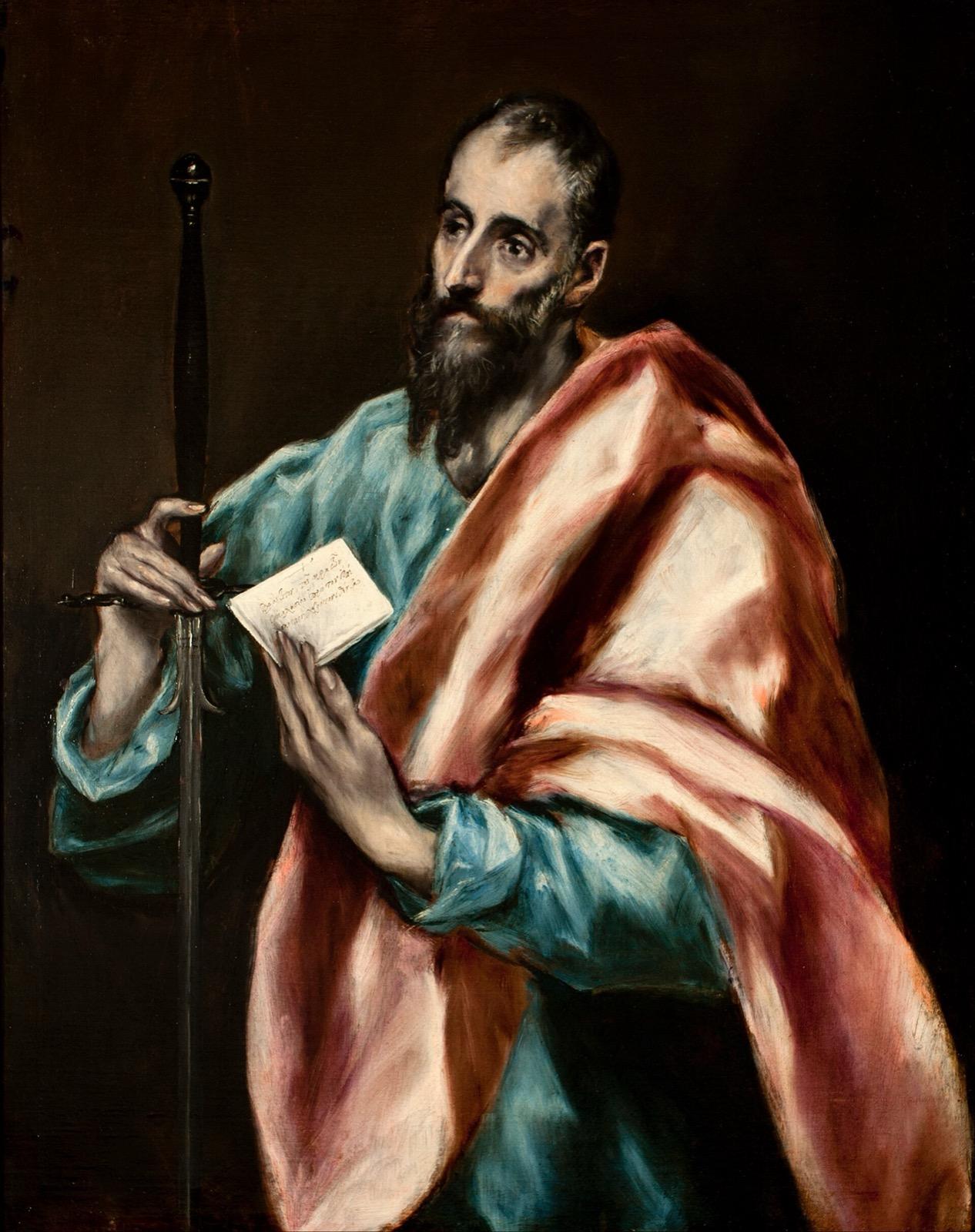
His letters are among the earliest Christian writings we have, written in the 50s CE, before the Gospels were composed in the form we read them. They address communities in the midst of real disputes: who may share a table, how non-Jewish believers relate to Jewish law, what Christ’s death and rising mean, and how grace, faith, and love should shape common life. First Corinthians 13, with its praise of agape or self-giving love, is Paul’s voice within one of those arguments rather than a saying of Jesus.
That difference of voice is why Paul is so important. Jesus is remembered teaching through sayings, parables, and encounters within Jewish Galilee and Judea. Paul writes to communities across the eastern Mediterranean, interpreting Jesus’ death, rising, and significance for people who did not share that setting. His disagreements with the Jerusalem community around James over Gentile observance, including circumcision, belong to the first generation’s struggle over who could belong and on what terms. They reveal a movement working out its shape, not a simple contest between a pure teacher and a later betrayer.
Later churches made his letters scripture. Words written into local conflicts could now speak as authority across centuries, and later theology built further structures from them. Romans 5 places Adam, death, and Christ in one sweeping comparison; Augustine and other theologians later developed fuller doctrines of original sin from passages such as this. Paul therefore stands at a decisive threshold: encounter becomes interpretation, interpretation becomes correspondence, and correspondence becomes part of the enduring language of a church.
Words used here
Plain meanings for words on this page.
apostle
In early Christian usage, an apostle is a messenger sent to found or guide communities. Paul uses the word of himself as one sent to the nations, even though he was not one of the Twelve who walked with Jesus in Galilee.
agape
A Greek word used in early Christian texts for self-giving love—charity, goodwill, willing another's good even at cost to oneself. It names a quality of love that can include cost, beyond romantic desire or warm feeling alone.
A little deeper
Agape names a quality of love praised in passages such as 1 Corinthians 13: patient, not envious, not self-seeking. Christian tradition often contrasts it with possessive or merely sentimental forms of love.
revelation
Knowledge a religious tradition understands as disclosed or given rather than reached by human reasoning alone—for example through divine speech, scripture, prophecy, vision, or inner illumination.
A little deeper
A claimed revelation is received and interpreted within a community: texts are preserved, visions are tested, and meanings are argued. Reason, tradition, and experience may all take part, while communities continue to disagree about what counts as revelation and what authority it carries.
Featured connections
Where Paul meets other voices
later interpretation
From Jesus’ teaching to Paul’s churches
The teachings attributed to Jesus and Paul’s letters both place trust in God, mercy, love, and a transformed way of living near the center of communal life.
The movement from Jesus to Paul shows remembered teaching becoming interpretation, letters, and communities. Paul carries claims about Jesus’ death and rising into the Greek-speaking world, asking what they mean for worship, belonging, conflict, and daily life.
Where they differ
Jesus is remembered teaching through sayings, parables, and encounters within Jewish Galilee and Judea. Paul writes later as an apostle to largely Gentile communities, interpreting Jesus through death, rising, faith, and life in the church.
Paul1 Corinthians 13
historical relationship
Paul’s counsel on love
First Corinthians 13 is Paul’s response to a divided early Christian community arguing over spiritual gifts and importance. His praise of patient, enduring agape turns the church from public display toward the love that must shape its common life; the chapter is an apostolic letter rather than a saying of Jesus.
Continue from here
Open a related page.
Jesus of Nazareth
Person
1 Corinthians 13
Teaching
Creed
Idea
Christianity
Tradition
Sources
What this reading rests on
Saint Paul the Apostle – Encyclopaedia Britannica
encyclopedia
Secondary historical orientation for Paul’s life, visionary call, letters, and mission among Gentile communities.
1 Corinthians 13
primary text
A primary example of Paul addressing a divided church through his teaching on agape, or self-giving love.
Romans 5
primary text
Paul’s primary Adam–Christ comparison, later used in the development of fuller doctrines of original sin.