Tradition
Taoism
What might change if life were met with less strain and more attention to the way things move? Taoism is a diverse family of Chinese traditions shaped by classical texts such as the Tao Te Ching and the Zhuangzi, as well as by centuries of ritual, meditation, alchemy, popular religion, and philosophical reflection. Across that variety, many Taoist paths ask how human life can come into closer accord with dao—the Way.
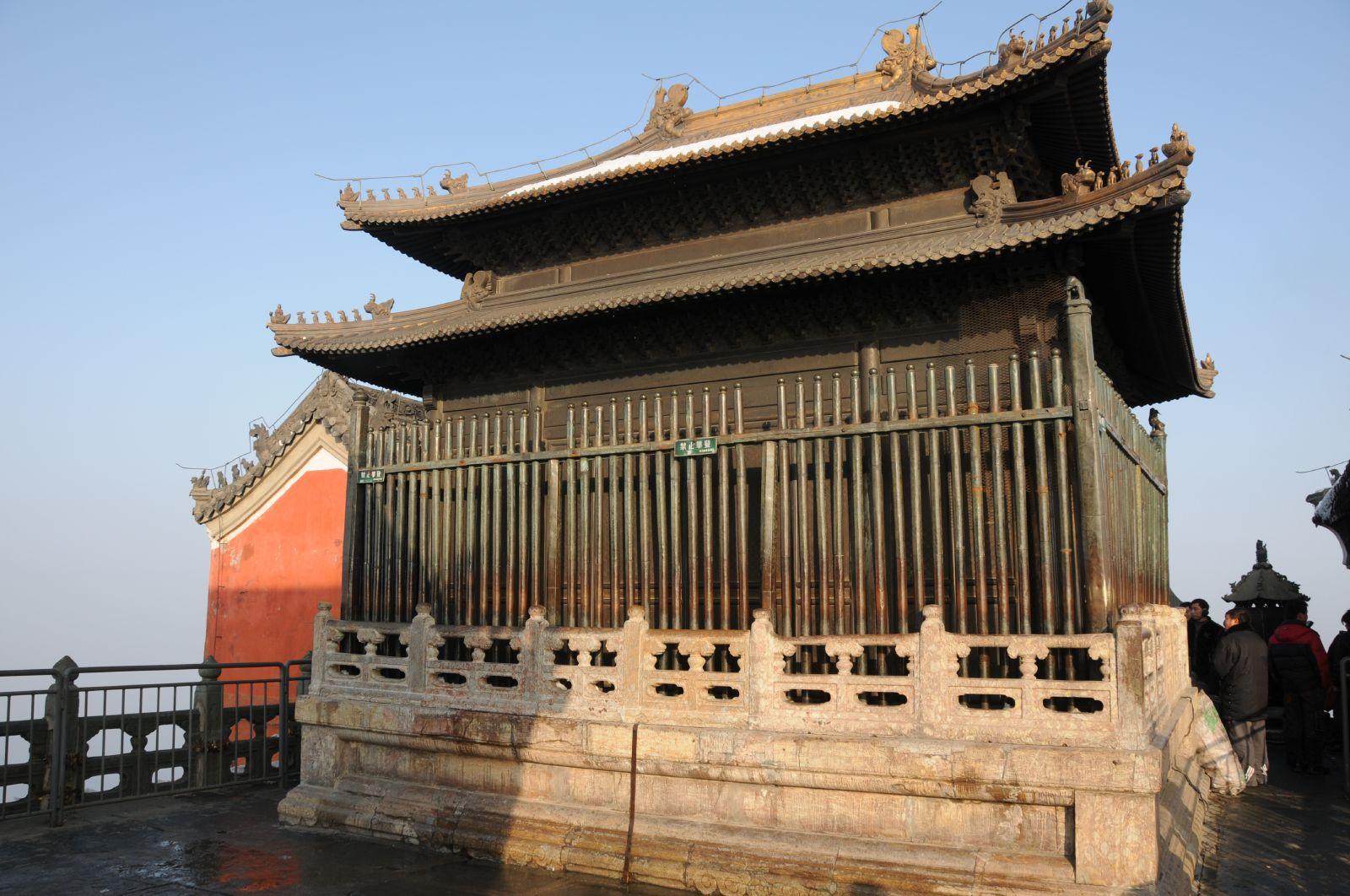
The classical texts approach dao through image and paradox rather than a final definition. They praise simplicity, naturalness, the usefulness of emptiness, and wu wei—action that does not force itself against the grain of things. Their sage is not simply passive. The discipline lies in responding without the grasping, excess, or rigid control that can make action less attuned to the situation before it.
Taoism also became more than a body of philosophical texts. Religious Taoist traditions developed institutions, deities, rites, meditation, alchemical disciplines, and practices concerned with longevity. These forms belong to a layered history rather than to one uniform creed. “Philosophical” and “religious” Taoism can help name real differences, but the same English word gathers related traditions with divergent texts, lineages, and practices.
In the larger question of reality, Taoism contributes a distinctive movement: what is most fundamental may not be something that fixed names can exhaust, while a wiser life may depend on learning alignment rather than mastery. That movement can be placed beside Western metaphysics, Hermetic thought, or modern science only after it has been heard in its own Chinese setting. The comparison may sharpen a question; it does not turn dao into a physics claim or a Hermetic doctrine.
Words used here
Plain meanings for words on this page.
Taoism
A family of Chinese traditions associated with the Tao Te Ching, Zhuangzi, and later religious and philosophical developments. It speaks of the Way, naturalness, and alignment with the flowing order of things.
A little deeper
Philosophical Taoism and religious Taoism are related, and they still do different jobs. Texts, lineages, and practices diverge across history.
Tao (Dao)
The central term in Taoist teaching, often translated as the Way—the source, pattern, or flowing order of reality that precedes names and cannot be fully captured in words.
A little deeper
Taoist texts speak in paradox and image because the Way is said to be beyond rigid definition. Dao names a source and flowing order, in a different register from a personal god or a laboratory object.
Featured connections
Where Taoism meets other voices
TaoismLaozi
institutional development
A founding figure in Taoist memory
Laozi became a central sage in Taoist memory, lineage, and religious imagination through the classic associated with his name. That traditional role remains significant whether he was one historical author, a composite figure, or largely legendary.
Continue from here
Open a related page.
Laozi
Person
Tao Te Ching
Teaching
Reality
Idea
Sources
What this reading rests on
Tao Te Ching (Daodejing)
primary text
A foundational Taoist classic for this page’s account of dao, simplicity, emptiness, and non-forcing action; it does not by itself document every later religious form named here.