Person
Laozi
traditional author of the Tao Te Ching
Read through
Optional. Marks sentences on this page only — it never rewrites the reading.
Legend remembers an archivist or elder who taught the Way and then departed westward. His name is Laozi—also spelled Lao Tzu or Lao Dan—and the Tao Te Ching is traditionally attributed to him. Historians debate whether he was a single historical person, a composite, or largely legendary.
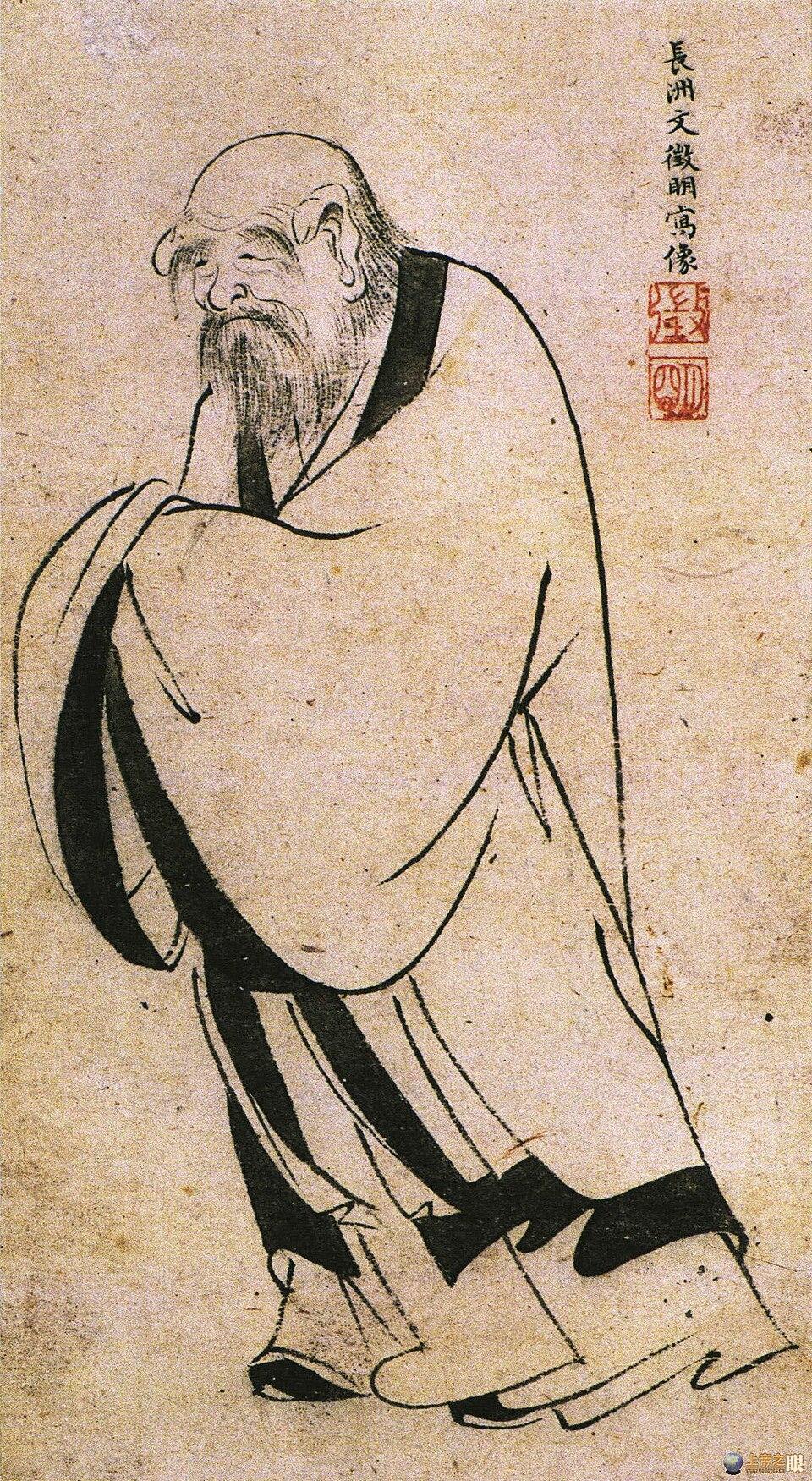
The text associated with Laozi keeps returning to a tension between the Way and the names imposed on it. It calls the Way dao and non-forcing action wu wei. Instead of building a system through definitions, it works through paradox, simplicity, and softness: fixed categories cannot exhaust the flowing order of things, and force is not the only kind of power.
Dates remain uncertain, and some scholars place the text’s formation centuries after the era named in the legend. Traditional attribution, the history of the text, and the later image of Laozi are therefore related without being identical. The figure still anchors Taoist imagination as the sage who moves from control toward responsiveness and trusts the Way before rigid naming. Similar questions about naming appear elsewhere, but dao belongs to this Chinese teaching rather than serving as a generic name for every ultimate reality.
Words used here
Plain meanings for words on this page.
Tao (Dao)
The central term in Taoist teaching, often translated as the Way—the source, pattern, or flowing order of reality that precedes names and cannot be fully captured in words.
A little deeper
Taoist texts speak in paradox and image because the Way is said to be beyond rigid definition. Dao names a source and flowing order, in a different register from a personal god or a laboratory object.
Taoism
A family of Chinese traditions associated with the Tao Te Ching, Zhuangzi, and later religious and philosophical developments. It speaks of the Way, naturalness, and alignment with the flowing order of things.
A little deeper
Philosophical Taoism and religious Taoism are related, and they still do different jobs. Texts, lineages, and practices diverge across history.
Featured connections
Where Laozi meets other voices
LaoziAwareness
parallel
Before familiar divisions
Both interrupt the habit of treating familiar categories as a complete account of what is present.
Contemplative inquiry can turn attention toward experience before it is divided by judgment and description. The Daodejing approaches dao through a related loosening of fixed names. Placing these movements together makes the act of naming newly visible without making awareness another word for the Way.
Where they differ
Awareness names the capacity to notice experience in contemplative and scientific contexts. Dao names the Way and order of things in an ancient Chinese text concerned with language, conduct, and non-forcing action.
LaoziTao Te Ching
historical relationship
The sage named by the text
Tradition gives Laozi’s name to the Tao Te Ching and remembers him as the sage behind its teaching. The connection is historically important even though the text’s authorship and formation remain debated.
LaoziTaoism
institutional development
A founding figure in Taoist memory
Laozi became a central sage in Taoist memory, lineage, and religious imagination through the classic associated with his name. That traditional role remains significant whether he was one historical author, a composite figure, or largely legendary.
LaoziReality
shared concept
The unnamed Way and reality
The Daodejing, traditionally attributed to Laozi, presents dao as an unnamed Way from which named things emerge. It therefore approaches reality by asking whether what is most fundamental can ever be fully captured in words.
Continue from here
Open a related page.
Tao Te Ching
Teaching
Taoism
Tradition
Reality
Idea
Sources
What this reading rests on
Tao Te Ching (Daodejing)
primary text
Primary text traditionally attributed to Laozi, supporting the page’s account of dao, wu wei, paradox, and the limits of naming.