Person
Neville Goddard
Read through
Optional. Marks sentences on this page only — it never rewrites the reading.
Neville Goddard was a Barbadian-born teacher associated with New Thought, a modern movement that gives mind, imagination, and belief a formative role in experience. Where other inquiries loosen the identities already attached to “I,” Neville asks what happens when a person deliberately inhabits a different one.
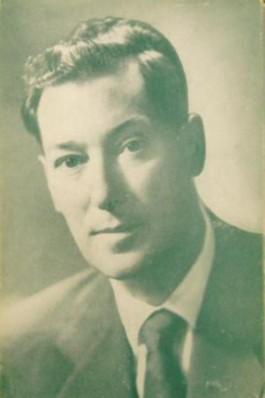
His method centers on “assuming the feeling of the wish fulfilled”: imagining from the desired condition as though it were already present, then allowing that assumption to become the inward position from which life is met. In Neville’s teaching, “I AM” is the creative center of this movement. The words that follow it name a state of identity, and sustained feeling gives that state formative power.
This is a modern New Thought interpretation of biblical language. Exodus presents divine self-identification, and the Gospel of John places “I am” sayings on Jesus’ lips; Neville reads such language through imagination and assumption. Nisargadatta uses the same first-person phrase to turn away from attributes toward bare being. Neville moves differently: not from a desired identity back to being without description, but from one inwardly assumed state toward the life it is believed to shape.
Words used here
Plain meanings for words on this page.
New Thought
A modern spiritual movement that emphasizes the formative power of mind, imagination, and belief in shaping experience. It is related to, but not identical with, later popular “manifestation” culture.
I AM
“I AM” begins here with biblical language of divine self-identification. The Gospel of John places a series of “I am” sayings on Jesus’ lips; New Thought and non-dual teachers later use the same words for different understandings of consciousness and being. The phrase connects these pages without giving them one meaning.
Featured connections
Where Neville Goddard meets other voices
Neville GoddardI AM
later interpretation
Assuming what follows “I am”
For Neville Goddard, “I AM” is the creative center from which a person inhabits an imagined state. His New Thought practice gives the feeling of an assumed identity formative power—a modern interpretation of biblical language rather than a continuation of its original setting.
Neville GoddardNisargadatta Maharaj
similar language
Two directions from “I am”
Both make “I am” a place of practice, asking the familiar first-person phrase to reveal how identity is formed or stripped back.
Neville and Nisargadatta both pause at the first-person sense of being, then move in opposite directions. Neville adds a desired state and inhabits its feeling; Nisargadatta lets attributes fall away and remains with existence before description.
Where they differ
Neville’s New Thought practice uses imagination and assumption to enter a chosen identity. Nisargadatta’s Advaita-related inquiry releases chosen identities in order to attend to bare being and move toward non-dual recognition.
Continue from here
Open a related page.
Nisargadatta Maharaj
Person
New Thought
Tradition
I AM
Idea
Sources
What this reading rests on
Feeling Is the Secret
original work
Primary short work presenting Neville’s claim that feeling and assumption give an imagined state formative power in experience.