Person
Nisargadatta Maharaj
Sri Nisargadatta Maharaj was a Mumbai teacher in an Advaita-related lineage of non-dual instruction. In dialogues collected in English as I Am That, he repeatedly returns to the simplest fact before biography takes over: not “I am this” or “I am that,” but the bare sense “I am.”
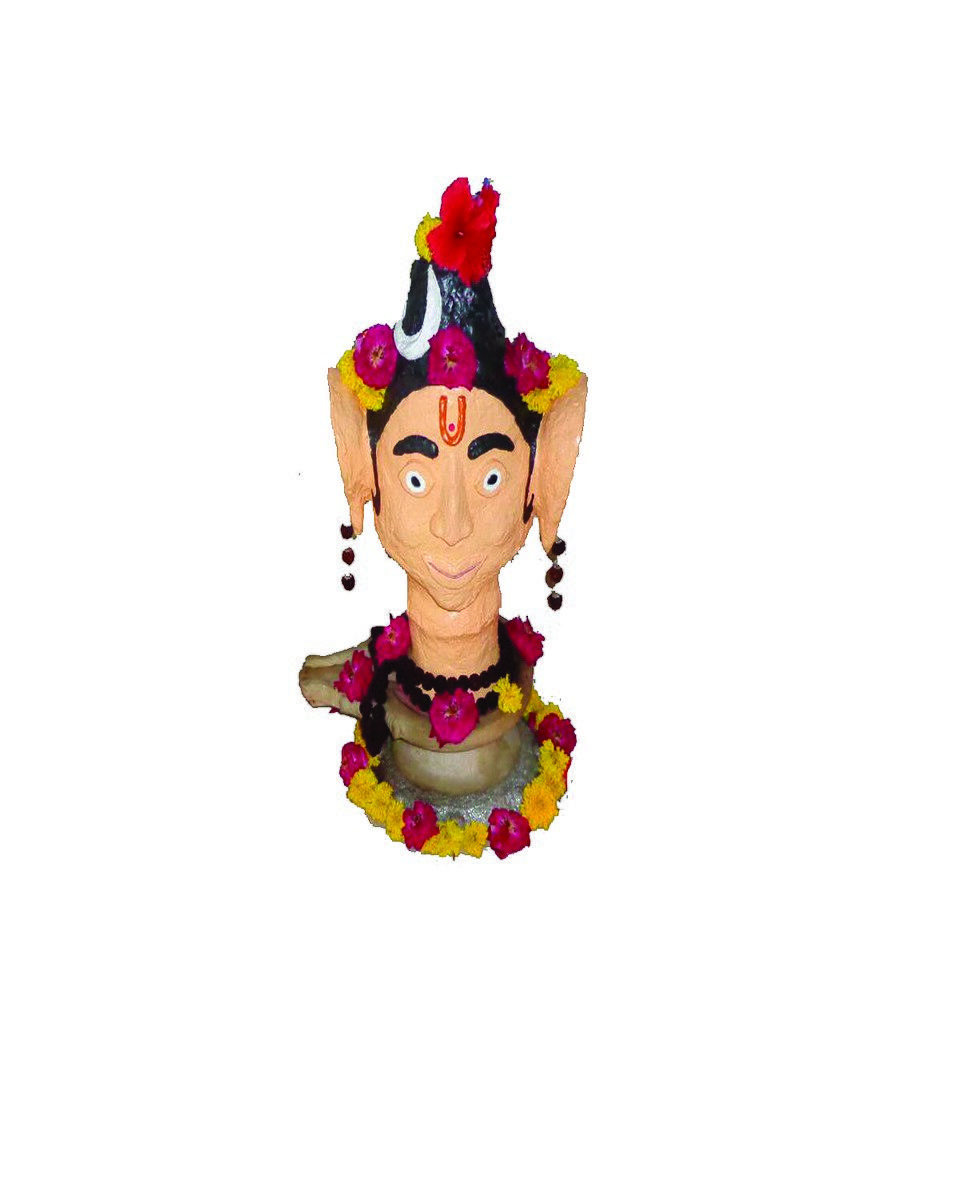
The movement is from attribute to being. A role, memory, desire, or spiritual ambition may answer what you are like or what you hope to become, but each adds content to the prior sense of existing. Nisargadatta asks the listener to remain with that prior sense. His dialogues are not a systematic treatise, and their English wording comes through translation and later arrangement, but their recurring direction is clear: stay with “I am” before the identity built around it.
Within his Advaita-related teaching, even this sense of being is not offered as a new personal identity to defend. It is a doorway into non-dual recognition, where the separate person is no longer treated as the deepest reality. This sharply distinguishes his use of “I am” from Neville’s imaginal assumption, which gives a desired state creative force, and from biblical divine speech. The phrase is shared; the movement of inquiry is not.
Words used here
Plain meanings for words on this page.
Advaita Vedanta
A school of Hindu philosophy that teaches that the deepest Self and ultimate reality are not fundamentally separate. This view is often called non-duality.
A little deeper
“Advaita” means “not two.” Vedanta refers to teachings associated with the later portion of the Vedic tradition, especially the Upanishads. Advaita does not deny ordinary experience; it asks what remains when the sense of separation is examined.
non-duality
The idea that the separation we normally experience between “me” and “everything else” is not the deepest level of reality.
I AM
“I AM” begins here with biblical language of divine self-identification. The Gospel of John places a series of “I am” sayings on Jesus’ lips; New Thought and non-dual teachers later use the same words for different understandings of consciousness and being. The phrase connects these pages without giving them one meaning.
Featured connections
Where Nisargadatta Maharaj meets other voices
Nisargadatta MaharajI AM
shared concept
Before “I am” becomes a story
Nisargadatta returns from “I am this” or “I am that” to the bare sense of existing before role, memory, and desire describe it. In his Advaita-related teaching, staying with that prior sense of being becomes a doorway into non-dual inquiry.
Nisargadatta MaharajNeville Goddard
similar language
Two directions from “I am”
Both make “I am” a place of practice, asking the familiar first-person phrase to reveal how identity is formed or stripped back.
Neville and Nisargadatta both pause at the first-person sense of being, then move in opposite directions. Neville adds a desired state and inhabits its feeling; Nisargadatta lets attributes fall away and remains with existence before description.
Where they differ
Neville’s New Thought practice uses imagination and assumption to enter a chosen identity. Nisargadatta’s Advaita-related inquiry releases chosen identities in order to attend to bare being and move toward non-dual recognition.
Continue from here
Open a related page.
Sources
What this reading rests on
I Am That
original work
Primary English-language collection of translated and edited dialogues that repeatedly return from personal attributes and spiritual aims to the bare sense “I am.”