Tradition
Stoicism
A plan fails, a reputation changes, illness arrives, or another person refuses to act as we hoped. Stoicism begins inside pressures like these. Founded in Athens around the early third century BCE and developed for centuries across Greece and Rome, this philosophical tradition asks how a person can live well when much of life cannot be commanded. Its answer turns toward what can still be formed: judgment, choice, and a character guided by wisdom, justice, courage, and moderation.
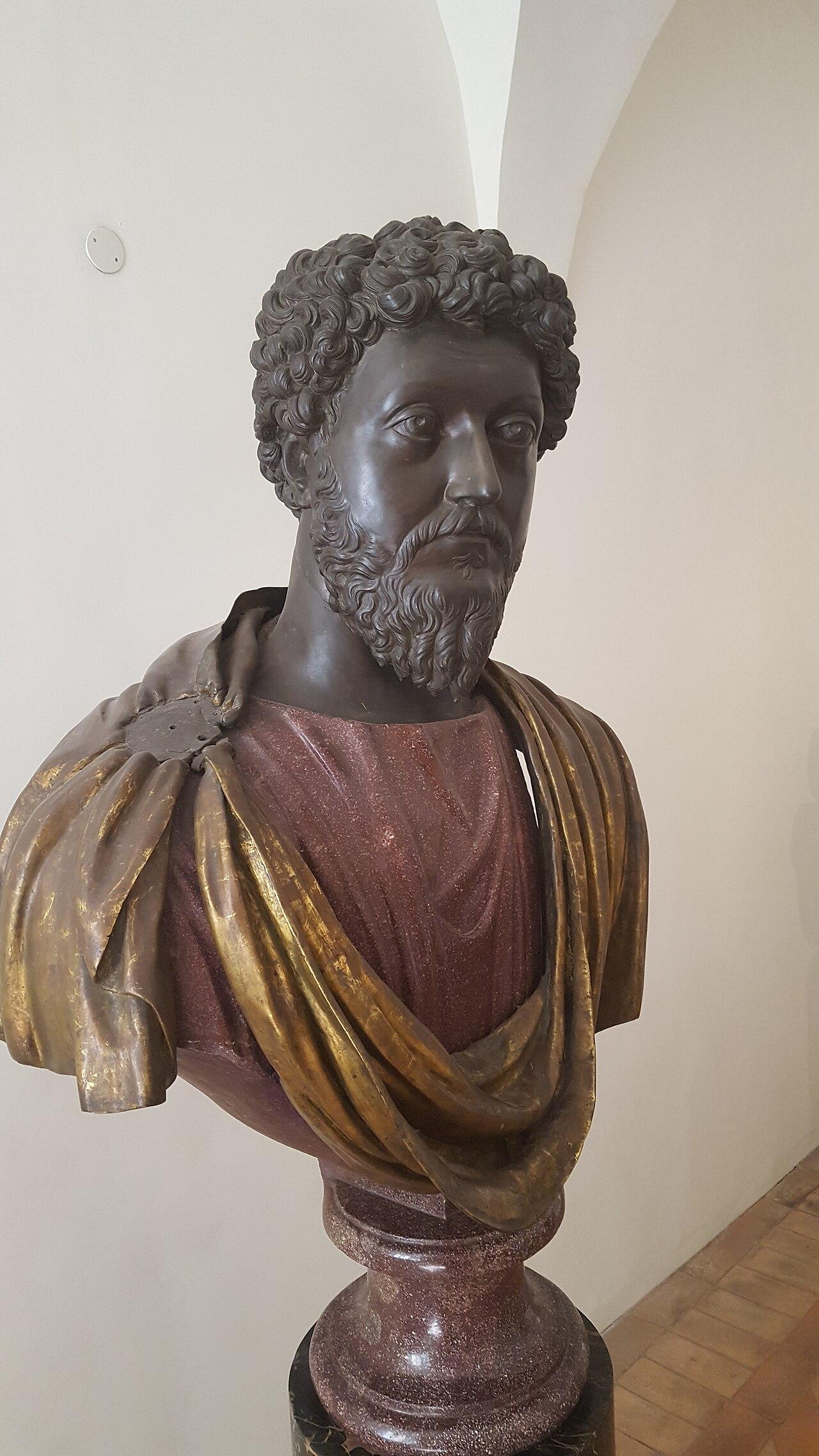
For the Stoics, this was not an argument to admire from a distance. It was a way of training how one meets desire, fear, loss, duty, and other people. The distinction between what is up to us and what is not does not make events meaningless; it directs moral effort toward the quality of our response. Feelings are not simply erased. The work is to examine the judgments that carry them into action, so that hardship does not decide what kind of person one becomes.
The school’s long conversation began with Zeno of Citium. Chrysippus systematized much of its logic and physics, while Seneca, Epictetus, and Marcus Aurelius carried Stoic practice into Roman settings as writer, teacher, and emperor. Epictetus’ teaching survives through notes compiled by his student Arrian, including the short Enchiridion, or Handbook. Across those different lives, Stoicism remained a lived ethical movement as well as a system of thought: philosophy was meant to shape conduct.
Stoics spoke of logos, the rational order of the cosmos, and of living in agreement with nature and the whole. Virtue therefore reaches beyond private endurance toward character, duty, community, and the just use of whatever role or power a person has. Stoicism is a philosophy rather than a church, and its later influence reached Roman law and ethics as well as Christian and Enlightenment thought, sometimes closely and sometimes at a distance. Its most accessible legacy remains practical: inner freedom is sought not by controlling every outcome, but by forming the judgment and character brought to it.
Words used here
Plain meanings for words on this page.
Stoicism
A Greco-Roman philosophical tradition that asks how to live well by distinguishing what we can govern from what we cannot, and by cultivating virtue—character qualities such as wisdom, justice, courage, and moderation.
A little deeper
Ancient Stoics cared deeply about ethics, community, and inner alignment with reason and nature. Modern English “stoic” often means emotionless endurance; that popular sense is thinner than the school.
virtue
Excellence of character—the settled habits and qualities that make a human life good and worthy of respect. Different traditions name different virtues, but many agree that how we live matters as much as what we believe.
A little deeper
Virtue in Greek philosophy (arete) and in later Christian and Stoic teaching is a way of acting toward others and toward oneself over time—more than a private mood.
Featured connections
Where Stoicism meets other voices
StoicismEpictetus
historical relationship
A Stoic answer under pressure
What can a person still shape when reputation, illness, loss, and other people refuse to obey? Epictetus gives the wider Stoic tradition one of its clearest practical answers: judgment, intention, and character remain the proper field of moral effort.
Continue from here
Open a related page.
Sources
What this reading rests on
Enchiridion (Handbook of Epictetus)
original work
A primary doorway into later Stoic practice, especially the distinction between what is up to us and what is not and the effort to form judgment and character; it is not a source for the school’s entire history.